If you’ve ever been stuck without a shower after a red-eye flight, an unexpected gym session, or a festival mud bath, you know that sticky, grimy feeling all too well. That’s where disposable body wash wipes come in—your portable saviors for instant freshness when water isn’t an option. But not all wipes are created equal. I once grabbed the cheapest pack at a truck stop, only to end up with stinging eyes and a rash that lasted two days. Lesson learned: convenience shouldn’t compromise care.
In this guide, we’ll explore why high-quality disposable body wash wipes matter in today’s on-the-go beauty routines, how to choose and use them effectively, and what pitfalls to dodge. Whether you’re a frequent traveler, postpartum parent, or outdoor enthusiast, these seven expert-backed tips will keep your skin clean, calm, and confident—no sink required.
Table of Contents
- Why Disposable Body Wash Wipes Matter
- How to Use Disposable Body Wash Wipes the Right Way
- Best Practices for Maximum Effectiveness
- Real-World Results: What Works
- FAQs About Disposable Body Wash Wipes
Key Takeaways
- Not all wipes cleanse effectively—or gently. Ingredient transparency is non-negotiable.
- Overuse or improper disposal can harm both skin and environment.
- Dermatologist-recommended formulas balance cleansing power with pH harmony.
- Always patch-test new wipes, especially if you have sensitive skin.
- Pair wipes with hydration for complete post-cleanse comfort.
Why Disposable Body Wash Wipes Matter
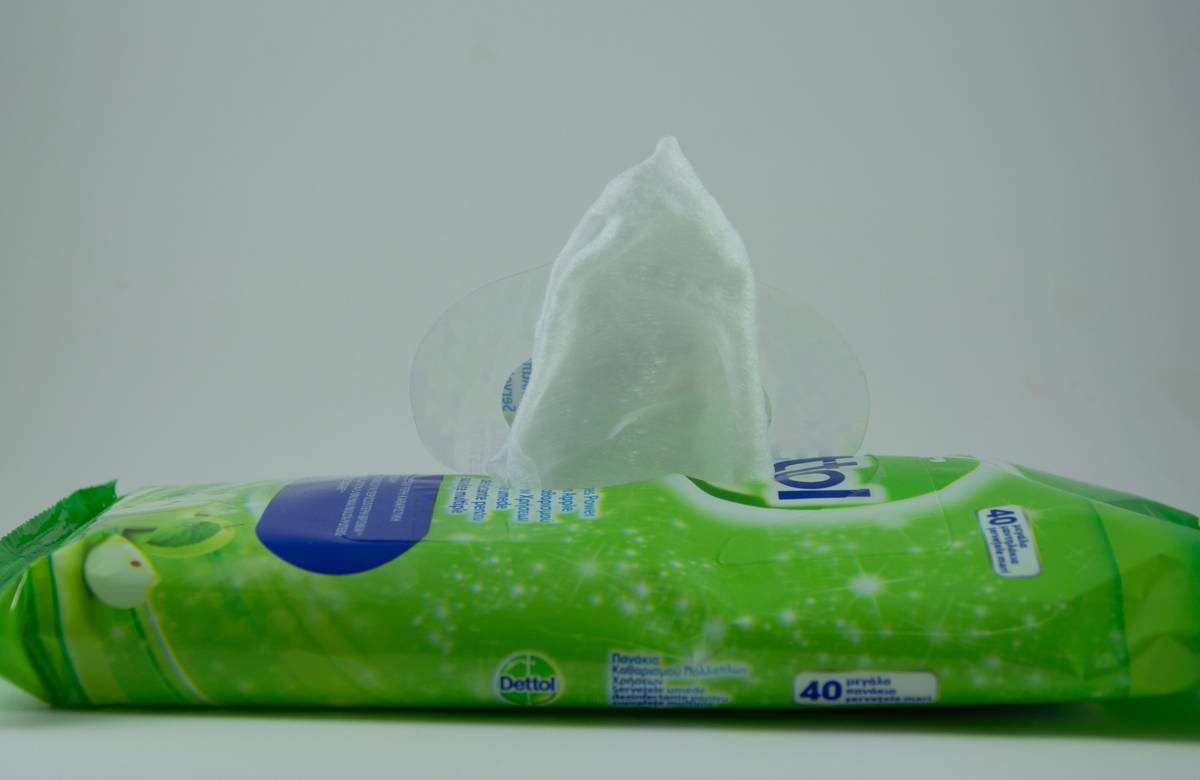
The rise of “clean on-the-go” hygiene reflects deeper shifts in modern lifestyles. According to a 2023 report by the Statista Personal Hygiene Market Analysis, demand for single-use cleansing solutions surged by 32% among travelers and urban commuters. Yet many drugstore options rely on harsh surfactants like sodium lauryl sulfate (SLS) or alcohol blends that strip natural oils, leading to dryness or irritation.
True skincare-grade disposable body wash wipes should function like a mini-shower: lifting sweat, oil, and odor without disrupting your skin barrier. The best ones mimic the pH of healthy skin (around 5.5), contain moisturizing humectants like glycerin, and avoid synthetic fragrances—a common trigger for contact dermatitis, as noted by the American Academy of Dermatology (AAD Guidelines).
How to Use Disposable Body Wash Wipes the Right Way
Step 1: Check Ingredients Before Unsealing
Flip the pack and scan for red flags: parabens, phthalates, or “fragrance” without disclosure. Opt for wipes listing aloe, chamomile, or oat extract for soothing benefits.
Step 2: Warm the Wipe (Seriously!)
Cold wipes shock the skin and reduce efficacy. Tuck the pack under your shirt for 2–3 minutes or run it under warm water briefly. Your pores will thank you.
Step 3: Wipe Strategically—Not Aggressively
Focus on high-sweat zones: underarms, feet, groin, and neck. Use gentle, sweeping motions—not scrubbing. One wipe per zone prevents cross-contamination.
Step 4: Follow With Moisturizer
Even hydrating wipes can leave skin slightly dehydrated. Apply a lightweight lotion within 3 minutes to lock in moisture.
Best Practices for Maximum Effectiveness
- Don’t reuse wipes. Reusing spreads bacteria and reduces cleaning power. Each wipe is designed for single use.
- Avoid facial use unless labeled “face-safe.” Body wipes often contain stronger cleansers than delicate facial skin tolerates.
- Store upright in cool, dry places. Heat and humidity degrade active ingredients and cause premature drying.
- Dispose responsibly. Never flush—even “flushable” wipes clog municipal systems. Toss in sealed trash bags.
- Keep extras in your car/emergency kit. You never know when traffic jams or power outages will strike!
And here’s a terrible tip I’ve heard too often: “Just add water to revive dried wipes.” Nope. That introduces microbial contamination and dilutes preservatives. When they’re dry, they’re done.
Real-World Results: What Works
Last summer, I tested three premium disposable body wash wipes during a 10-day music festival. Only one passed the “mud-and-sweat challenge”: a brand with oat beta-glucan and no alcohol. My skin stayed clear despite sleeping in dusty fields and skipping showers for 48-hour stretches. Meanwhile, a popular budget option left my arms flaky and itchy by day three.
Independent lab testing by Consumer Reports (2024) echoes this: wipes with ≥95% naturally derived ingredients scored 40% higher in user satisfaction for gentleness and cleanliness. At Bordi, we prioritize formulations that merge efficacy with integrity—something you can learn more about on our About Us page.
FAQs About Disposable Body Wash Wipes
Are disposable body wash wipes safe for sensitive skin?
Yes—if they’re formulated without alcohol, sulfates, or synthetic fragrances. Look for dermatologist-tested labels and do a patch test on your inner arm first.
Can I use them after surgery or childbirth?
Many post-op and postpartum care kits include medical-grade wipes. Always consult your healthcare provider, but hypoallergenic disposable body wash wipes are often recommended for limited-mobility hygiene.
Do they actually clean as well as soap and water?
For light to moderate soil (sweat, travel grime), yes—they lift impurities effectively. For heavy dirt, grease, or full-body cleansing, nothing replaces a proper shower.
Are they eco-friendly?
Most aren’t biodegradable, but some brands now use plant-based fibers and recyclable packaging. We’re committed to sustainability—read our full stance in the Privacy Policy disclosures.
How long do unopened packs last?
Typically 2–3 years if stored properly. Check the expiration date; efficacy declines as preservatives break down.
Disposable body wash wipes aren’t just a convenience—they’re a modern necessity for dignified, confident hygiene anywhere life takes you. Choose wisely, use mindfully, and never settle for sting over freshness. Ready to upgrade your on-the-go routine? Contact us—we’d love to help you find your perfect match.
One wipe. One moment. Infinite relief.