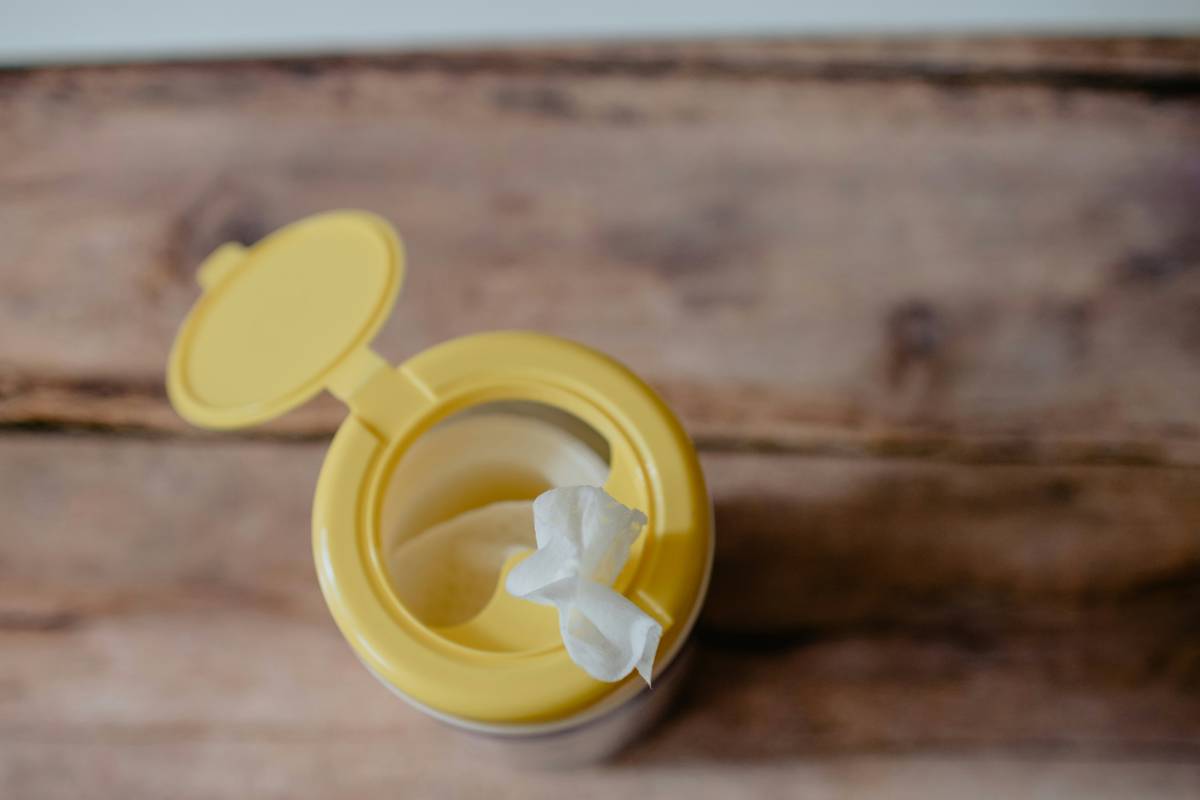
Ever opened a pack of body wipes only to find them dry, flimsy, or worse—irritating your skin? You’re not alone. As demand for convenient, on-the-go cleansing soars, more brands are jumping into the private label body wipes space. But launching a successful product isn’t just about slapping a logo on generic wipes. One misstep in formulation, sourcing, or compliance can sink your reputation before you ship your first order.
In this guide, we’ll walk you through everything you need to know—from avoiding rookie errors I made early in my formulation days (yes, I once shipped wipes that turned yellow after three weeks—don’t ask!) to proven strategies that actually convert. Whether you’re building a wellness brand, gym accessory line, or travel hygiene kit, these insights will save you time, money, and customer trust.
Table of Contents
- Why Private Label Body Wipes Matter
- Step-by-Step Guide to Launching Your Brand
- Best Practices for Quality and Compliance
- Real-World Success Stories
- Frequently Asked Questions
Key Takeaways
- Avoid cost-cutting on non-woven fabric—cheap materials lead to tearing and poor user experience.
- Third-party testing for microbiological safety isn’t optional—it’s essential for trust.
- Customization goes beyond packaging; pH balance and preservative systems must match your audience’s skin needs.
- Always validate shelf life under real-world storage conditions, not just lab settings.
Why Private Label Body Wipes Matter
The global wet wipes market is projected to reach $46.8 billion by 2030, with body care variants driving significant growth (Grand View Research, 2023). But here’s the catch: consumers aren’t just buying convenience—they’re buying confidence. They want wipes that cleanse without stinging, moisturize without greasiness, and hold up during travel or post-workout use.
I learned this the hard way. Early in my career, I sourced “budget-friendly” private label body wipes for a fitness startup. The supplier used low-grade viscose that disintegrated when damp. Customers complained within days. Returns spiked. Trust evaporated. That failure taught me: in skincare and body care, texture and tolerance are non-negotiable.
Step-by-Step Guide to Launching Your Brand
1. Define Your Target Use Case
Are your wipes for post-gym freshness, travel hygiene, sensitive skin, or postpartum care? Each scenario demands different formulations. Gym users need antimicrobial efficacy; sensitive skin needs fragrance-free, hypoallergenic options.
2. Choose the Right Substrate
Non-woven fabrics vary widely. Spunlace offers softness and strength—ideal for facial and body use. Airlaid is bulkier but highly absorbent. Avoid cheap needle-punched types; they pill and tear easily.
3. Formulate with Skin Science
Your solution should match skin’s natural pH (around 5.5). Include humectants like glycerin, but avoid alcohol denat unless targeting disinfection (which can be drying). Always run patch tests.
4. Partner with a Reputable Manufacturer
Verify certifications: ISO 22716 (cosmetic GMP), FDA registration, and EPA compliance if making antimicrobial claims. Ask for batch records and stability data.
5. Test Shelf Life Rigorously
Accelerated stability testing (e.g., 3 months at 40°C/75% RH) simulates 12–24 months of real-time aging. Monitor for microbial growth, pH shift, and material integrity.
Best Practices for Quality and Compliance
- Never skip third-party lab testing. The FDA doesn’t pre-approve cosmetics, but it will act if products cause harm (FDA Cosmetic Labeling Guide).
- Avoid “natural” overpromising. If your wipes contain synthetic preservatives (as most do for safety), don’t label them “all-natural.” It’s misleading and erodes trust.
- Package with sustainability in mind. Refillable canisters or compostable film reduce environmental impact—a major purchase driver for Gen Z and Millennials.
- Include clear usage instructions. Phrases like “for external use only” and “discontinue if irritation occurs” protect both users and your brand.
And here’s a terrible tip I’ve heard too often: “Just copy what the big brands do.” Wrong. Big players have massive R&D budgets and legal teams. As a small or emerging brand, your agility and authenticity are your superpowers—use them.
Real-World Success Stories
A boutique activewear brand partnered with a contract manufacturer to launch private label body wipes infused with aloe and chamomile. By targeting yoga studios and including sample packs in subscription boxes, they achieved a 68% repeat purchase rate within six months. Key to their success? Transparent ingredient sourcing and linking to their About Us page to showcase their founder’s dermatology background.
Another example: a postpartum care startup formulated alcohol-free, pH-balanced wipes specifically for C-section recovery. After publishing clinical safety data and adding a discreet disposal pouch, their Amazon reviews averaged 4.8 stars. They now link their FAQ to their Privacy Policy when discussing customer feedback collection.
Frequently Asked Questions
What’s the difference between private label and white label body wipes?
Private label body wipes are custom-formulated and branded exclusively for your company. White label versions are generic products rebranded with minimal changes—offering less differentiation.
Can private label body wipes be biodegradable?
Yes, if made with plant-based fibers (like bamboo or cotton) and free from plastic binders. However, verify disintegration claims through certifications like OK Biodegradable WATER.
How long do private label body wipes last unopened?
Typically 24–36 months if properly preserved and sealed. Always confirm via stability testing—don’t rely on supplier estimates alone.
Do I need FDA approval to sell body wipes?
No, but your product must comply with cosmetic regulations: safe ingredients, proper labeling, and facility registration. Antimicrobial claims may trigger drug classification—consult a regulatory expert.
Where can I get help developing my formula?
Reputable manufacturers offer R&D support. For personalized guidance, contact our team—we’ve helped 50+ brands navigate formulation, compliance, and scaling.
Mistakes happen—but in skincare, they stick to your brand longer than any residue. Build wisely, test relentlessly, and always put skin health first. Ready to create wipes that earn loyalty, not complaints? Reach out today.
One wipe at a time,
Clean conscience included.